
ADVERTISEMENT
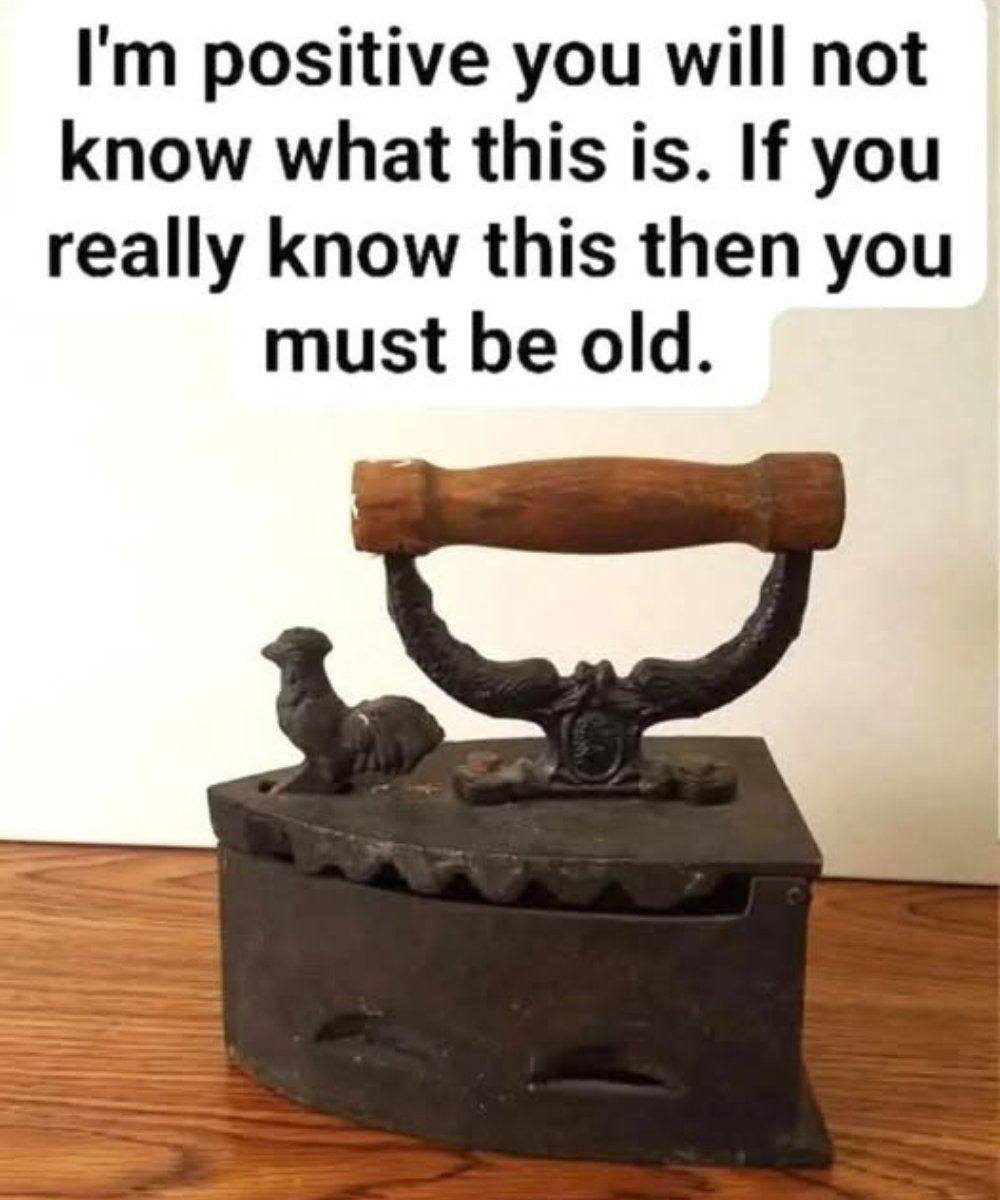
The “Mystery” Object in the Photo: A Charcoal Box Iron
Every so often, a photo of a strange old object circulates online and leaves people guessing. This time, the “mystery” item — a heavy metal tool with a handle on top and a box-like body — has sparked curiosity, confusion, and plenty of creative guesses.
Some people think it’s an antique lunchbox.
Others say it looks like a tiny stove.
A few suggest it’s a coal heater or even a retro bread warmer.
But the truth is much more interesting.
The mystery object is an old-fashioned charcoal box iron, a clever and once-essential household tool used long before electric irons became commonplace.
🔥 What Exactly Is a Charcoal Box Iron?
A charcoal box iron — also known as a coal iron — is an early form of clothing iron used throughout the 19th and early 20th centuries. Instead of plugging into the wall, these irons relied on burning charcoal or embers placed inside the metal “box.”
The heat from the charcoal warmed the iron’s base, allowing people to press clothes long before electricity was available.
This design made ironing more efficient than earlier flat irons, which needed to be reheated repeatedly on a stove.
🧰 How It Worked
The charcoal box iron was both simple and ingenious.
1. The Box Compartment
The central chamber was opened to place hot charcoal inside.
2. The Ventilation Holes
Small holes along the sides allowed air to circulate, keeping the charcoal burning steadily for longer.
3. The Heavy Base
The iron’s weight, combined with the hot metal, provided the pressure needed to smooth fabric.
4. The Handle
Often wooden (to prevent burns), the handle made the iron easy — or at least manageable — to hold.
5. The Smoke Factor
As you might imagine, ironing with burning charcoal created a smoky smell, so windows had to stay open while working. Some models even had a small chimney on top!
🕰️ A Glimpse Into Household Life Before Electricity
Charcoal irons tell a fascinating story about everyday life in the past. They were used all over the world — from Europe to Asia to Africa — and were considered a prized household possession.
In many communities, women heated their irons over open fires or used small tools to fan the charcoal inside.
The process was labor-intensive, but these irons played a huge role in keeping clothes crisp for work, church, school, and special occasions.
🪞 Why People Love Finding Them Today
Vintage enthusiasts, historians, and collectors appreciate charcoal box irons because:
- They’re beautifully crafted, often with decorative designs.
- They represent resourcefulness before electricity.
- They’re nostalgic reminders of family heritage.
- They make unique conversation pieces in modern homes.
- Each one carries stories about the people who used it.
Some people still keep them as rustic décor, doorstops, or museum pieces.
🧩 Why It’s Often Misidentified
Without context, a charcoal iron looks nothing like the sleek electric irons we use today. Its box-like shape and thick walls can easily confuse younger generations who’ve never seen a heat-powered iron before.
And that’s exactly why these kinds of mystery photos become viral — they challenge viewers to identify an object from a different era, sparking curiosity and discussion.
For Complete Cooking STEPS Please Head On Over To Next Page Or Open button (>) and don’t forget to SHARE with your Facebook friends
🧺 A Tool That Helped Shape Daily Life
While it may look primitive now, the charcoal box iron was a technological innovation in its time. It helped families look neat and presentable long before modern appliances made ironing quick and convenient.
Discovering one in an attic, barn, or old home is like uncovering a piece of history — a silent witness to decades of domestic life.
📝 Conclusion
The “mystery” object in the photo is far from mysterious once you know its history.
A charcoal box iron is a remarkable reminder of how people managed household tasks with creativity and ingenuity long before electricity.
So next time you see one of these heavy, metal, antique irons, you’ll know exactly what it is — and the story it carries from a bygone era.
ADVERTISEMENT
