
ADVERTISEMENT
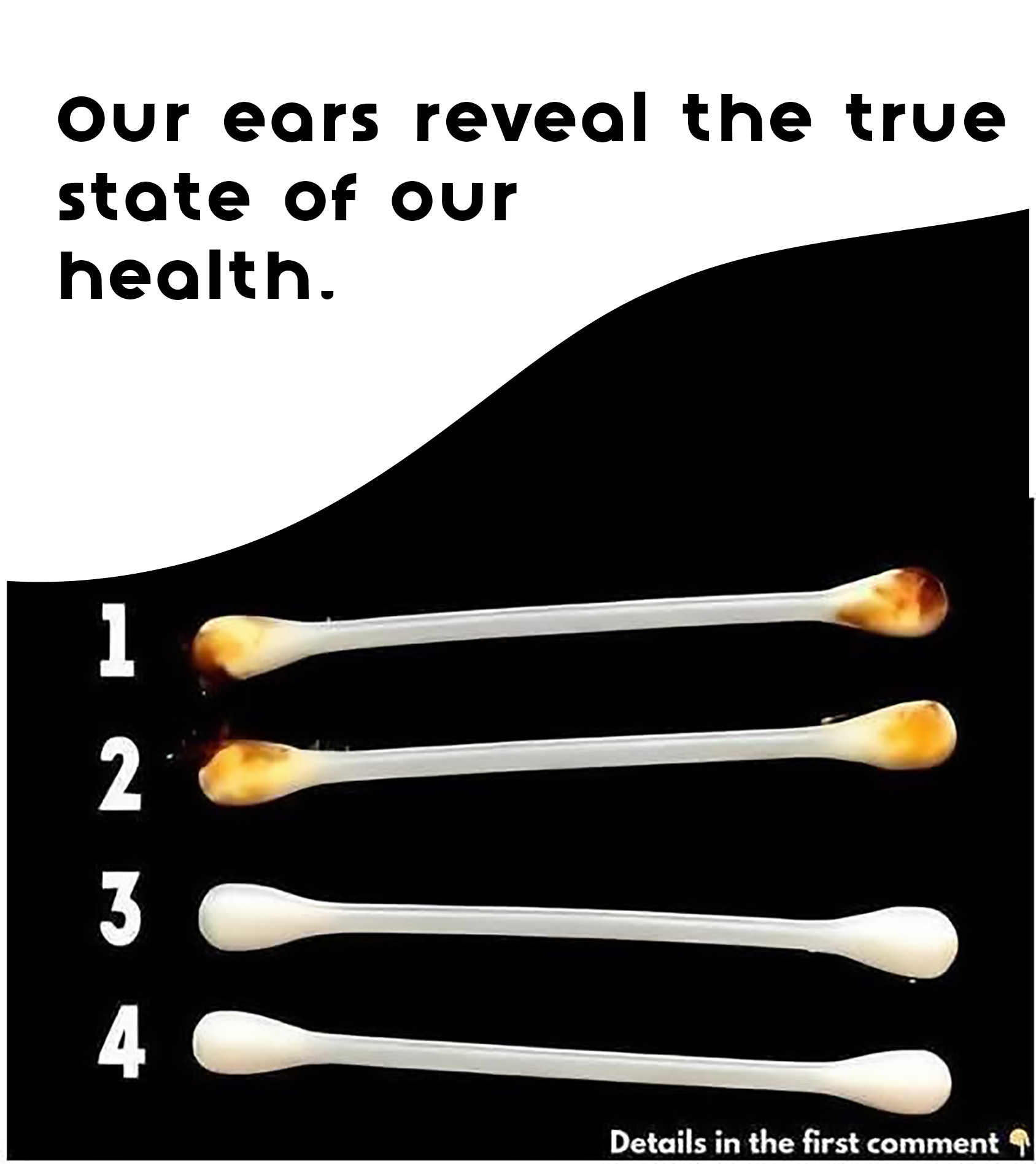
Our Ears Reveal the True State of Our Health
When we think about monitoring our health, we often focus on obvious indicators like weight, energy levels, or blood pressure. However, our ears can be surprisingly revealing about our overall health. From the color and texture of the earlobes to the sounds we hear—or fail to hear—our ears can offer subtle clues about underlying conditions.
What Your Ears Can Tell You
- Hearing Health
Hearing loss, ringing in the ears (tinnitus), or sensitivity to sound may indicate age-related changes, exposure to loud environments, or even neurological issues. Early attention to hearing changes can prevent more serious complications later. - Circulatory and Cardiovascular Health
The earlobes and surrounding skin can reveal circulation problems. Pale or bluish earlobes may suggest poor blood flow, while red or swollen ears might indicate high blood pressure or inflammation.
For Complete Cooking STEPS Please Head On Over To Next Page Or Open button (>) and don’t forget to SHARE with your Facebook friends
- Nutritional Deficiencies
Brittle, dry, or cracked earlobes may point to deficiencies in essential vitamins and minerals, such as zinc, vitamin B, or healthy fats. Paying attention to these subtle signs can guide dietary improvements. - Infections and Immune Function
Ear infections, excessive wax buildup, or frequent irritation may reveal immune system weaknesses or chronic infections. Maintaining ear hygiene and monitoring for persistent issues is important. - Systemic Health Conditions
In some cases, the ears can indicate conditions beyond the ear itself. For example:
- Diabetes: May increase the risk of infections in the outer ear.
- Thyroid issues: Can lead to changes in skin texture or swelling in the ear area.
- Liver problems: Yellowing of the skin around the ears can sometimes reflect jaundice.
How to Keep Your Ears Healthy
- Regular check-ups: Annual hearing tests and physical exams can catch early signs of health issues.
- Protect your ears: Avoid prolonged exposure to loud noises, and use ear protection when needed.
- Maintain hygiene: Clean your ears gently without inserting objects that can cause injury.
- Monitor changes: Be attentive to unusual pain, ringing, or color changes in your ears.
Bottom Line
Your ears are more than just instruments for hearing—they are subtle mirrors of your overall health. By paying attention to changes in your ears, practicing good ear care, and consulting healthcare professionals when needed, you can gain valuable insights into your body’s well-being.
ADVERTISEMENT
