
ADVERTISEMENT
Here’s What You Need to Know About Tonsil Stones
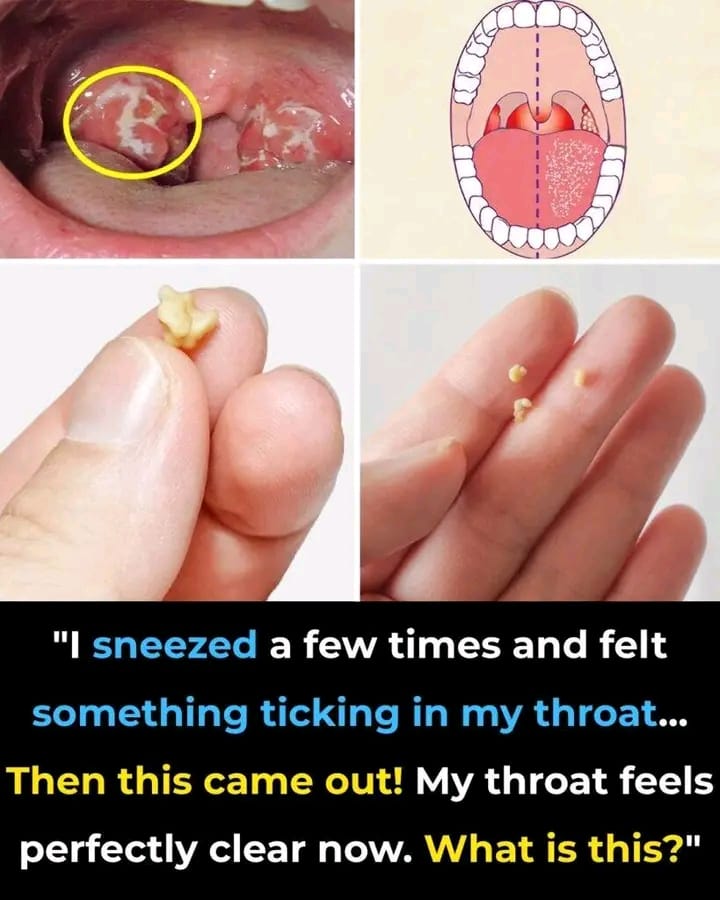
Tonsil stones, medically known as tonsilloliths, are small, calcified formations that develop in the crevices of your tonsils. While they are usually harmless, they can be uncomfortable and occasionally cause health issues if left untreated. Here’s everything you need to know about them.
What Are Tonsil Stones?
Tonsil stones are made up of bacteria, food particles, dead cells, and mucus that get trapped in the nooks and crannies of your tonsils. Over time, these materials harden or calcify, forming small white or yellowish stones. Though they are generally small—ranging from a few millimeters to over a centimeter—they can cause noticeable symptoms.
Common Symptoms
Many people with tonsil stones may not even realize they have them. However, some common signs include:
- Bad breath (halitosis): This is often the first and most noticeable symptom.
- Sore throat or discomfort when swallowing.
- Ear pain: Tonsil stones can trigger referred pain to the ears.
- Visible white or yellow spots on the tonsils.
- Swelling or inflammation of the tonsils in some cases.
Causes and Risk Factors
Tonsil stones form when debris becomes trapped in the tonsillar crypts and bacteria begin to break it down. Factors that increase the likelihood of developing tonsil stones include:
- Chronic sinus issues or post-nasal drip.
- Poor oral hygiene.
- Large tonsils with deep crevices.
- Recurrent throat infections.
Prevention Tips
While tonsil stones aren’t always avoidable, certain habits can reduce their occurrence:
- Maintain oral hygiene: Brush your teeth twice a day and floss regularly.
- Gargle with salt water: Helps reduce bacteria and loosen debris in the tonsils.
- Stay hydrated: A dry mouth can increase bacterial growth.
- Use mouthwash: An antibacterial mouthwash can help keep oral bacteria in check.
For Complete Cooking STEPS Please Head On Over To Next Page Or Open button (>) and don’t forget to SHARE with your Facebook friends
Treatment Options
Most tonsil stones are small and can be managed at home. Some common methods include:
- Gargling: Regularly gargling with salt water can help dislodge small stones.
- Manual removal: Using a cotton swab or soft toothbrush to gently remove visible stones.
- Laser or surgical removal: In severe or recurring cases, medical procedures may be recommended.
- Tonsillectomy: Rarely, removal of the tonsils may be necessary for chronic tonsil stone sufferers.
When to See a Doctor
Consult a healthcare professional if tonsil stones cause:
- Severe pain or difficulty swallowing.
- Frequent infections.
- Large stones that cannot be removed at home.
Bottom Line
Tonsil stones are a common, usually harmless condition that can often be prevented and managed with good oral hygiene and simple home remedies. Being aware of the symptoms and taking preventive measures can help you avoid discomfort and maintain a healthy mouth.
ADVERTISEMENT
