
ADVERTISEMENT
The Consequences of a Prolonged Absence of Intimate Relations
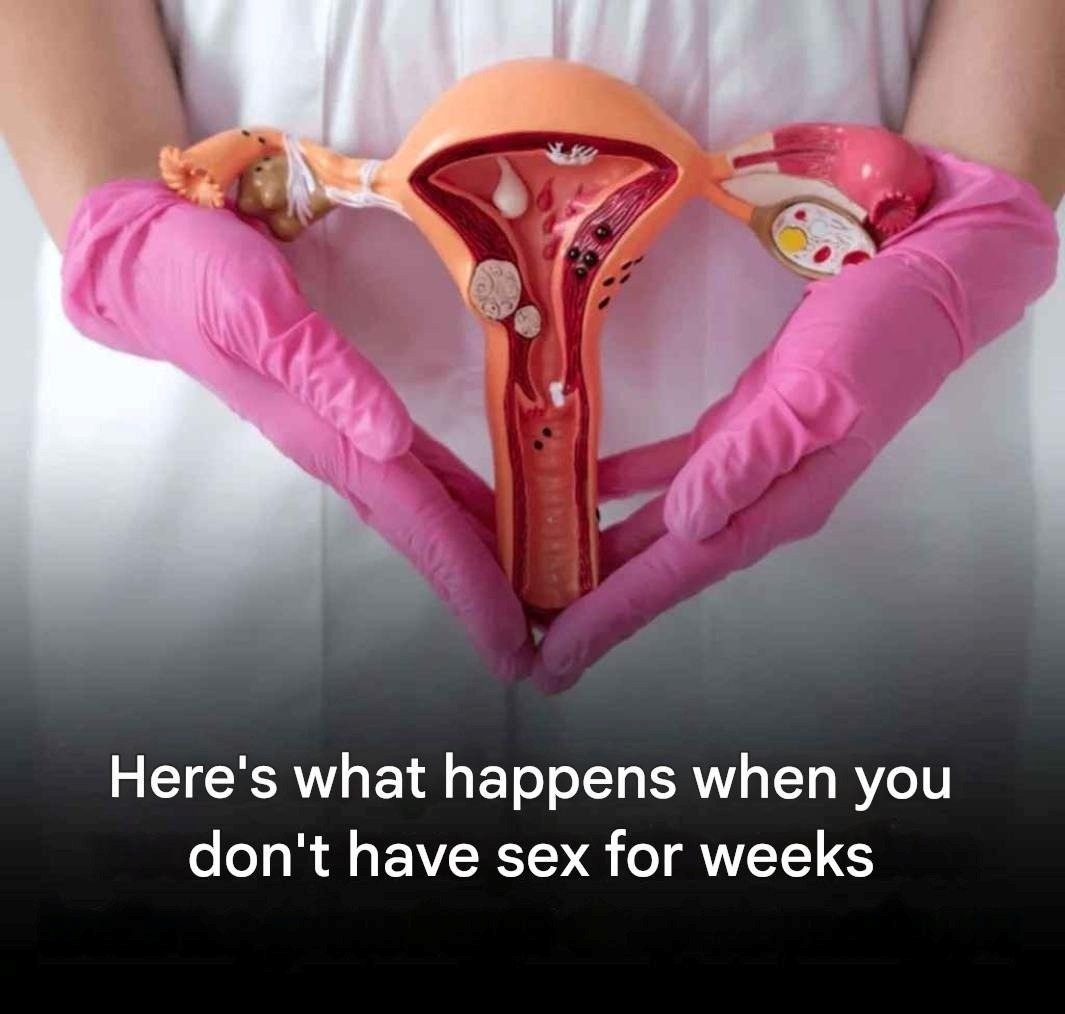
Intimacy is more than just physical closeness—it’s a fundamental aspect of emotional, psychological, and even physical well-being. While every individual or couple experiences periods of reduced sexual activity, a prolonged absence of intimate relations can have effects that extend beyond the bedroom. Understanding these consequences can help individuals and couples navigate changes in their relationships and personal health.
1. Physical Health Impacts
- Hormonal Shifts: Sexual activity triggers the release of hormones such as oxytocin, dopamine, and endorphins. A lack of intimacy can reduce these natural mood boosters, potentially contributing to increased stress, anxiety, or mild depression.
- Cardiovascular and Immune Effects: Some studies suggest that regular sexual activity may support heart health and improve immune function. While more research is needed, prolonged abstinence may reduce these potential benefits.
- Sleep and Pain Management: Intimacy can improve sleep quality through the release of relaxation-promoting hormones. Without it, some individuals may notice changes in sleep patterns or even increased sensitivity to pain.
2. Emotional and Psychological Consequences
- Stress and Mood: Physical touch and sexual activity help regulate stress hormones like cortisol. Prolonged absence of intimacy may make it harder to manage daily stress and could contribute to feelings of loneliness or frustration.
- Self-Esteem and Body Image: Regular intimate connections can reinforce feelings of attractiveness and desirability. Without this validation, some individuals may experience dips in confidence or self-worth.
- Emotional Bonding: In long-term relationships, intimacy strengthens emotional connection. Its absence may lead to feelings of emotional distance or disconnection between partners.
3. Relationship Dynamics
- Communication Challenges: A lack of intimacy can signal underlying issues in communication or compatibility. Partners may feel disconnected or hesitant to discuss their needs, creating further strain.
- Potential for Resentment: When one partner desires intimacy and the other is unavailable, frustration or resentment can build over time, impacting overall relationship satisfaction.
- Opportunity for Growth: Conversely, periods of abstinence can encourage partners to explore emotional intimacy in other ways, such as shared hobbies, deep conversations, or acts of care.
4. Coping and Maintaining Well-Being
Even without sexual activity, individuals can maintain emotional and physical health through:
For Complete Cooking STEPS Please Head On Over To Next Page Or Open button (>) and don’t forget to SHARE with your Facebook friends
- Physical touch: Hugs, hand-holding, and cuddling can release oxytocin and foster connection.
- Open communication: Discussing needs and feelings with a partner helps prevent misunderstandings and emotional distance.
- Self-care practices: Exercise, meditation, and hobbies can regulate mood and reduce stress.
- Professional support: Therapy or counseling can help individuals or couples navigate changes in sexual activity or intimacy.
Conclusion
The absence of intimate relations over an extended period can affect physical health, emotional well-being, and relationship dynamics. While not inherently harmful for everyone, awareness of these potential consequences is key to maintaining balance and connection—whether through renewed intimacy, emotional bonding, or self-care.
Intimacy is multifaceted, and even small gestures of closeness can help mitigate the effects of prolonged absence, reminding us that connection is as much about touch and attention as it is about sex.
ADVERTISEMENT
