
ADVERTISEMENT
The 4 Types of People Who Shouldn’t Eat Cabbage
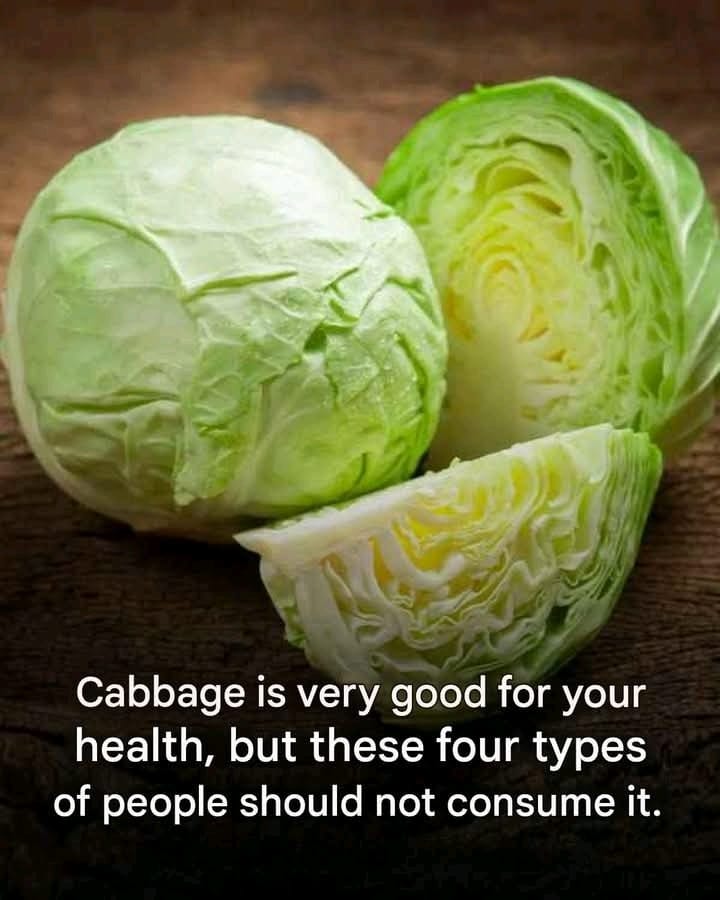
Cabbage is packed with nutrients, antioxidants, and fiber—making it a favorite in everything from salads to stews. But while cabbage is healthy for most people, there are a few groups who may need to limit or avoid it due to how it affects digestion, thyroid health, and certain medical conditions.
Below are four types of people who should be cautious with cabbage, along with helpful explanations to understand why.
1. People with Thyroid Conditions (Especially Hypothyroidism)
Cabbage belongs to the cruciferous family, which includes broccoli, cauliflower, and Brussels sprouts. These vegetables contain goitrogens, compounds that can interfere with the thyroid’s ability to use iodine—especially when eaten raw and in large amounts.
Why this matters:
Goitrogens may affect people who already have thyroid issues such as hypothyroidism.
Safer options:
- Cook cabbage (heat reduces goitrogen activity)
- Avoid consuming large raw quantities frequently
Anyone with a thyroid condition should check with a healthcare provider about what is appropriate for them.
2. People with Digestive Sensitivities or IBS
Cabbage is high in insoluble fiber and can produce gas, especially when eaten raw. For those with digestive disorders such as Irritable Bowel Syndrome (IBS) or chronic bloating, cabbage can sometimes trigger discomfort.
Possible symptoms after eating cabbage:
- Gas
- Bloating
- Cramping
- Loose stools
Tips:
- Try cooked cabbage rather than raw
- Introduce small portions first
- Discuss persistent digestive issues with a healthcare professional
3. People on Blood-Thinning Medications
Cabbage is rich in vitamin K, which plays a role in blood clotting. For people taking certain blood thinners (such as warfarin), vitamin K intake needs to stay consistent, not drastically higher or lower.
Why caution is needed:
Sudden increases in vitamin K–rich foods can affect how these medications work.
Safer approach:
- Maintain a stable, consistent amount of vitamin K
- Consult your doctor before making dietary changes
For Complete Cooking STEPS Please Head On Over To Next Page Or Open button (>) and don’t forget to SHARE with your Facebook friends
4. People Recovering From Certain Digestive Surgeries
After surgeries involving the stomach, intestines, or gallbladder, doctors often advise patients to avoid foods that are gas-forming, fibrous, or difficult to digest—and cabbage fits that description.
Why cabbage may be an issue:
- Can cause bloating and gas
- High fiber may be too harsh during healing
What to do:
- Follow your doctor or dietitian’s post-surgery food guidelines
- Reintroduce cabbage only when a healthcare provider says it’s appropriate
Final Thoughts
Cabbage is a nutrient-rich vegetable that most people can enjoy regularly. But for individuals with thyroid concerns, digestive sensitivities, blood-thinning medications, or recent digestive surgery, it may require caution or moderation.
If you belong to one of these groups—or aren’t sure whether cabbage is right for you—it’s always safest to check with a healthcare professional who understands your medical history.
ADVERTISEMENT
