
ADVERTISEMENT
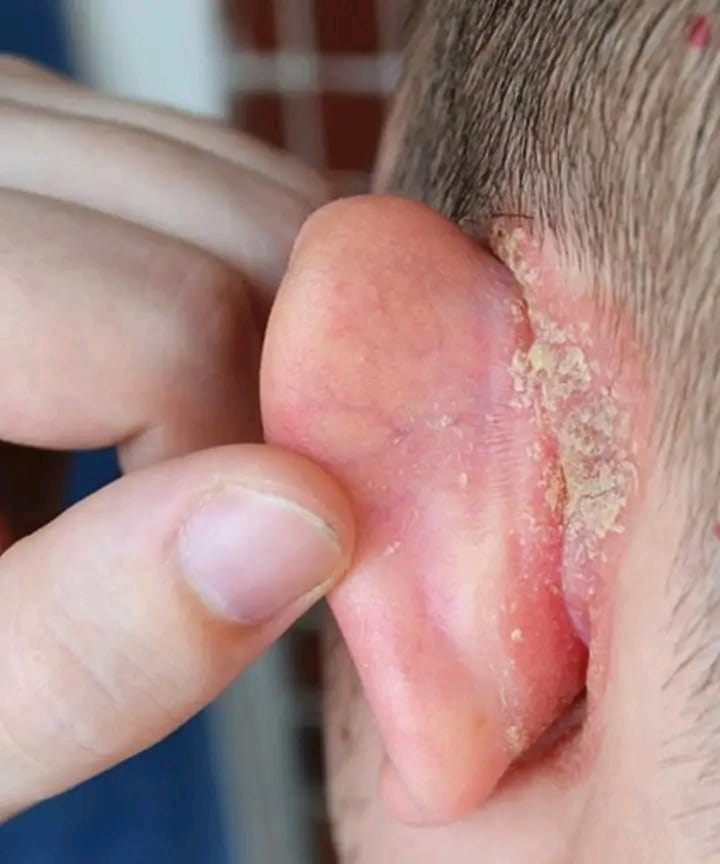
My Son Woke Up with a Spot on His Ear: What Could It Be and How Can I Treat It Until the Appointment?
Waking up to find a new spot on your child’s ear can be worrying—especially when you aren’t sure what caused it or whether it’s something serious. The good news is that many ear spots in children are common, usually harmless, and often temporary. Still, it’s completely normal to want answers and know how to keep your child comfortable until you can see your doctor.
Below, we explore the most common possibilities, along with safe at-home care and when to seek urgent medical attention.
Common Causes of a Spot on the Ear
While only a healthcare professional can diagnose the exact cause, here are some typical explanations:
1. Bug Bite
Mosquitoes and other insects often bite exposed areas—like ears.
Clues: Small, itchy bump, mild redness.
2. Skin Irritation or Contact Reaction
New detergent, shampoo, earrings, or even rough bedding can irritate the skin.
Clues: Red or dry patch; may be slightly itchy.
3. Pimples or Clogged Pores
Children can get small pimples anywhere, including the ears.
Clues: Raised bump, sometimes tender.
For Complete Cooking STEPS Please Head On Over To Next Page Or Open button (>) and don’t forget to SHARE with your Facebook friends
4. Mild Skin Infection
Occasionally, bacteria can irritate a hair follicle or small scratch.
Clues: Redness, tenderness, or slight swelling around a bump.
5. Eczema or Dry Skin
Some children flare in certain areas, including around the ears.
Clues: Dry, flaky, sometimes itchy patch.
How to Care for the Spot at Home Until the Appointment
These gentle steps can help soothe discomfort without interfering with the doctor’s assessment:
1. Keep the Area Clean
Use mild soap and warm water once or twice a day. Pat dry gently.
2. Apply a Cool Compress
If the spot is swollen, warm, or itchy, a cool damp cloth for 5–10 minutes can ease irritation.
3. Avoid Picking or Squeezing
This can irritate the skin further and increase the risk of infection.
4. Use a Gentle Moisturizer
If the spot looks dry or flaky, a fragrance-free moisturizer can help calm the skin.
5. Reduce Itching (If Needed)
If the spot seems itchy and your child is uncomfortable, you may ask your pharmacist about an age-appropriate antihistamine—but only if you already know your child tolerates it well.
6. Keep Hair, Hats, and Headphones Off the Area
Friction can worsen irritation.
When to Seek Urgent Care Instead of Waiting for the Appointment
Go to urgent care or contact a healthcare professional promptly if you notice:
- Rapidly increasing swelling
- The ear becoming very red, hot, or painful
- Pus or foul-smelling discharge
- Fever
- The entire outer ear looking swollen or deformed
- Your child seems unusually uncomfortable or unwell
These signs could indicate a stronger reaction or infection that needs timely treatment.
Final Thoughts
A sudden spot on your child’s ear can be unsettling, but in most cases, the cause is something minor—like a bite, irritation, or small skin blemish. With gentle care at home, your child can stay comfortable while you wait for your appointment. When in doubt, trust your instincts: if something looks or feels “off,” don’t hesitate to seek earlier medical advice.
ADVERTISEMENT
